Electronic Medical Records


Project Overview

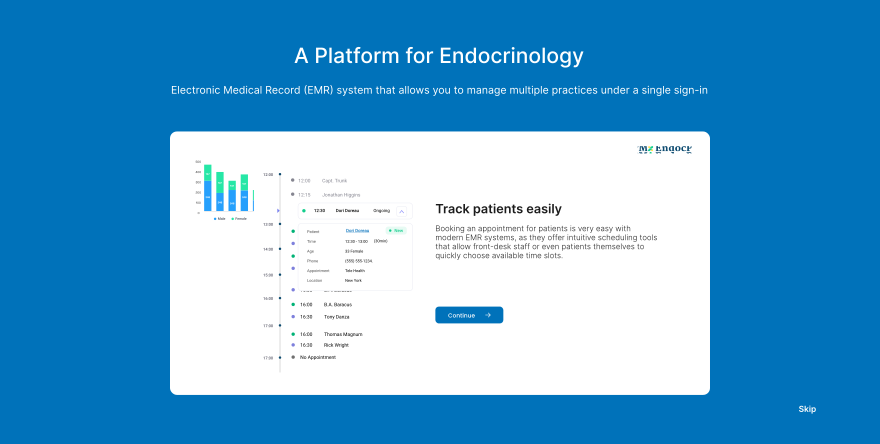
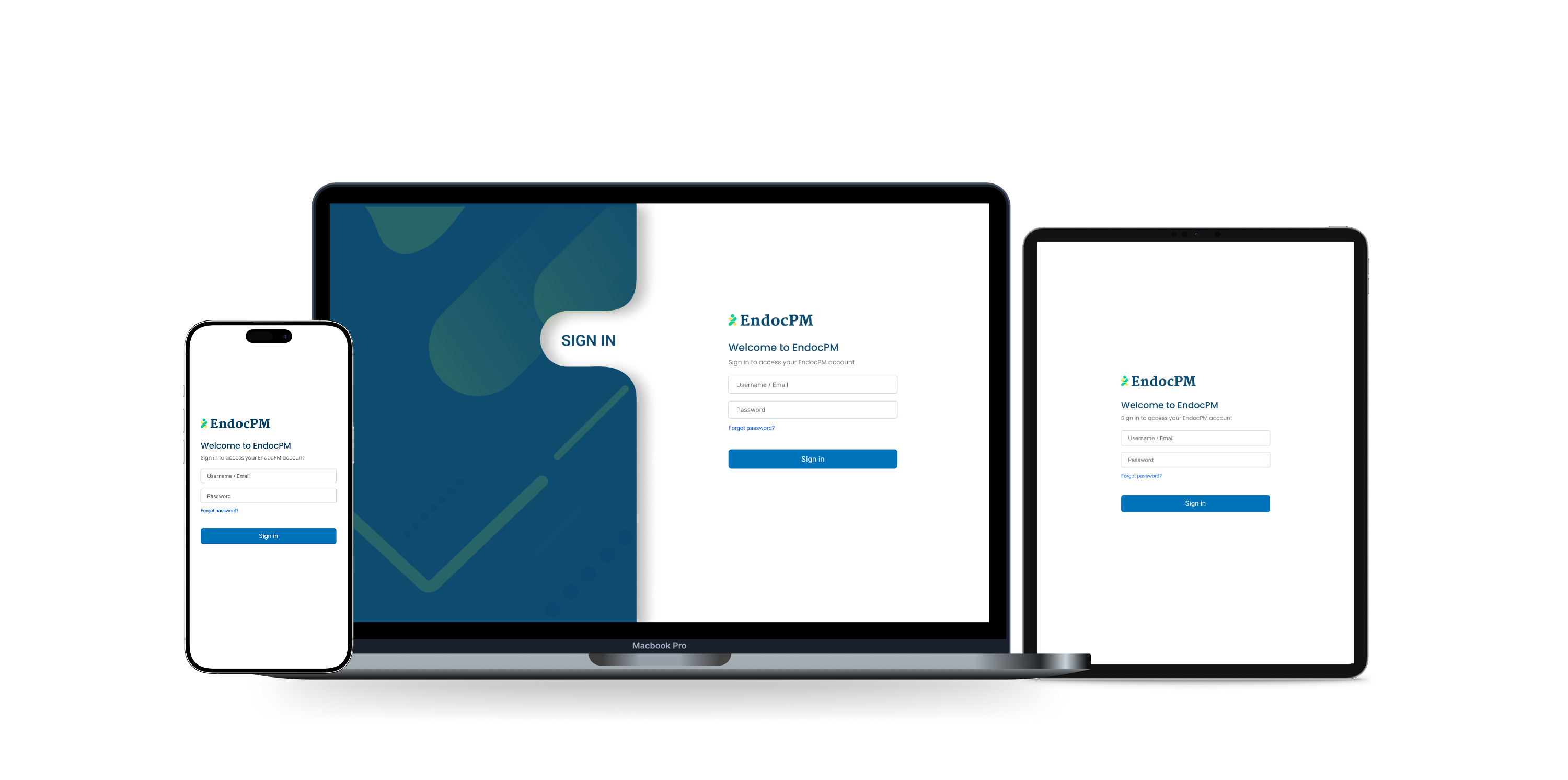
EndocPM — a US-focused electronic medical record (EMR) platform, offering a comprehensive suite including a doctor's portal, patient-facing mobile app, and integrated billing system. To build an intuitive, compliant, and high-performing EMR system that meets the real-world needs of physicians and patients, while aligning with industry best practices and standards.

EndoCPM is a specialized platform designed specifically for endocrinology providers. It stands for Endocrinology Practice Management System and offers a comprehensive suite of features tailored to the needs of endocrinology practices. Key capabilities include teleconsultation, automated appointment reminders, patient tracking, and

Timeline : Long term
Technology : Angular and dotnet
Website url : Patient app


UI/UX Design Approach

Benchmarking Against Industry Leaders
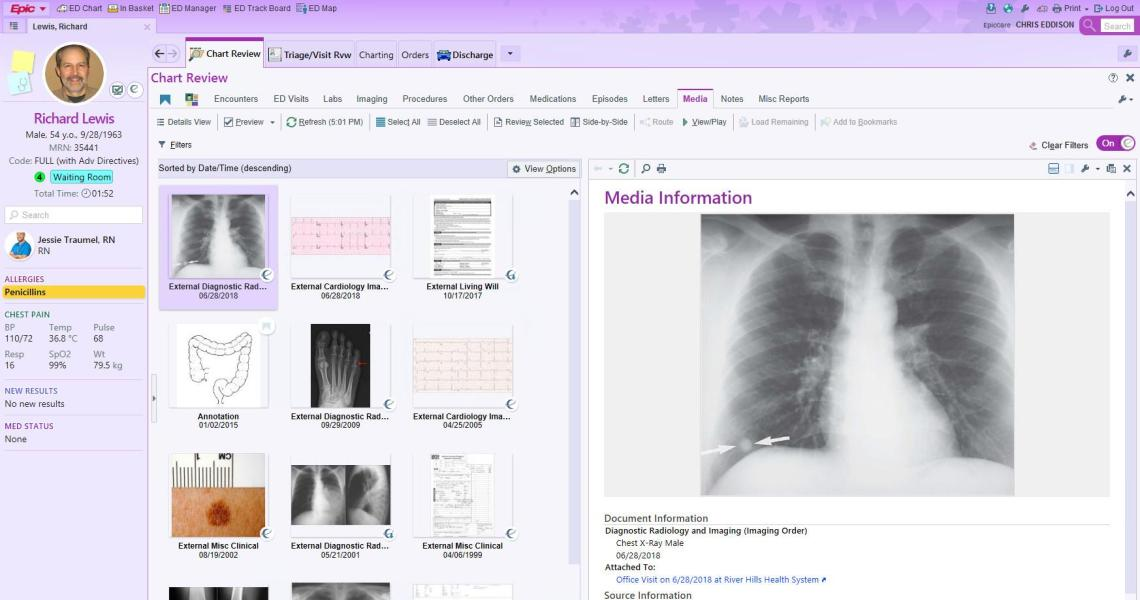
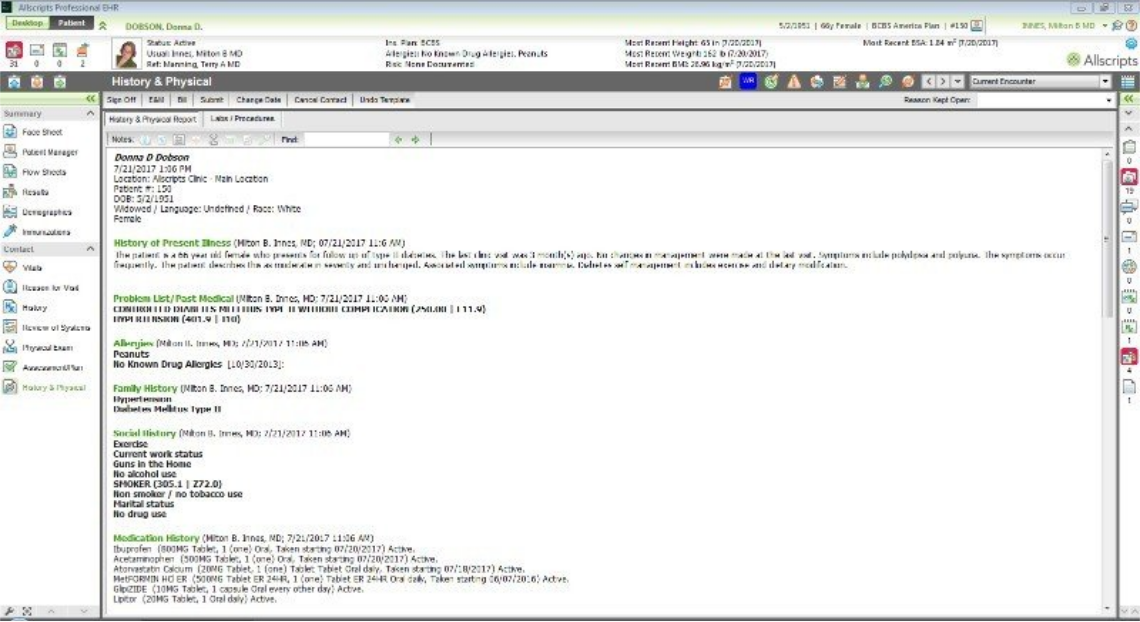
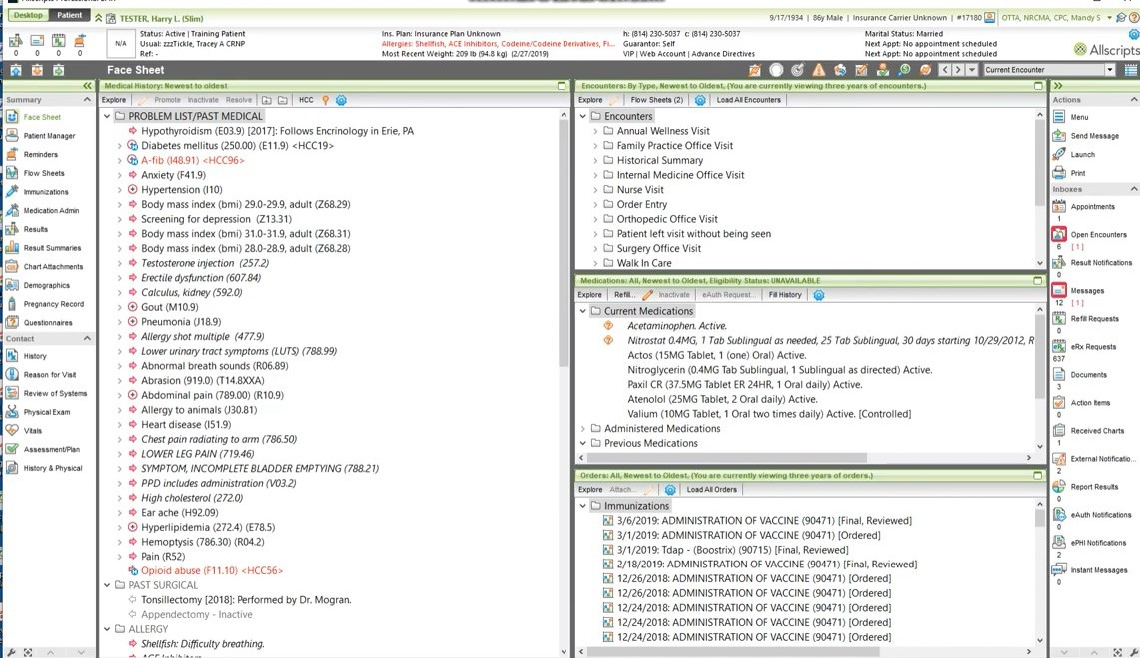
  • Designs are cross-checked with world-leading EMR platforms (e.g., Epic, All scripts, Practice Fusion, Dr Chrono ) to ensure best-in-class usability and consistency.

  • User-Centric Design Principles
  • Minimized cognitive load for doctors.
  • Logical, sequential workflows for patient encounters
  • Responsive, mobile-optimized UI for the patient app

  • Design Iteration
  • Visual designs are updated weekly based on review sessions with physicians.
  • The design phase in EndocPM is not a one-time activity—it is an ongoing, iterative process that adapts to evolving user needs, clinical workflows, and regulatory considerations.
  • Our design iteration strategy focuses on collaboration, validation, and alignment with industry standards to ensure an optimal user experience for both doctors and patients.

  • Bridging User Expectations and EMR Best Practices

    The design phase in EndocPM is not a one-time activity—it is an ongoing, iterative process that adapts to evolving user needs, clinical workflows, and regulatory considerations. Our design iteration trategy focuses on collaboration, validation, and alignment with industry standards to ensure an optimal user experience for both doctors and patients.

    Weekly Design Review Cycles with Doctors
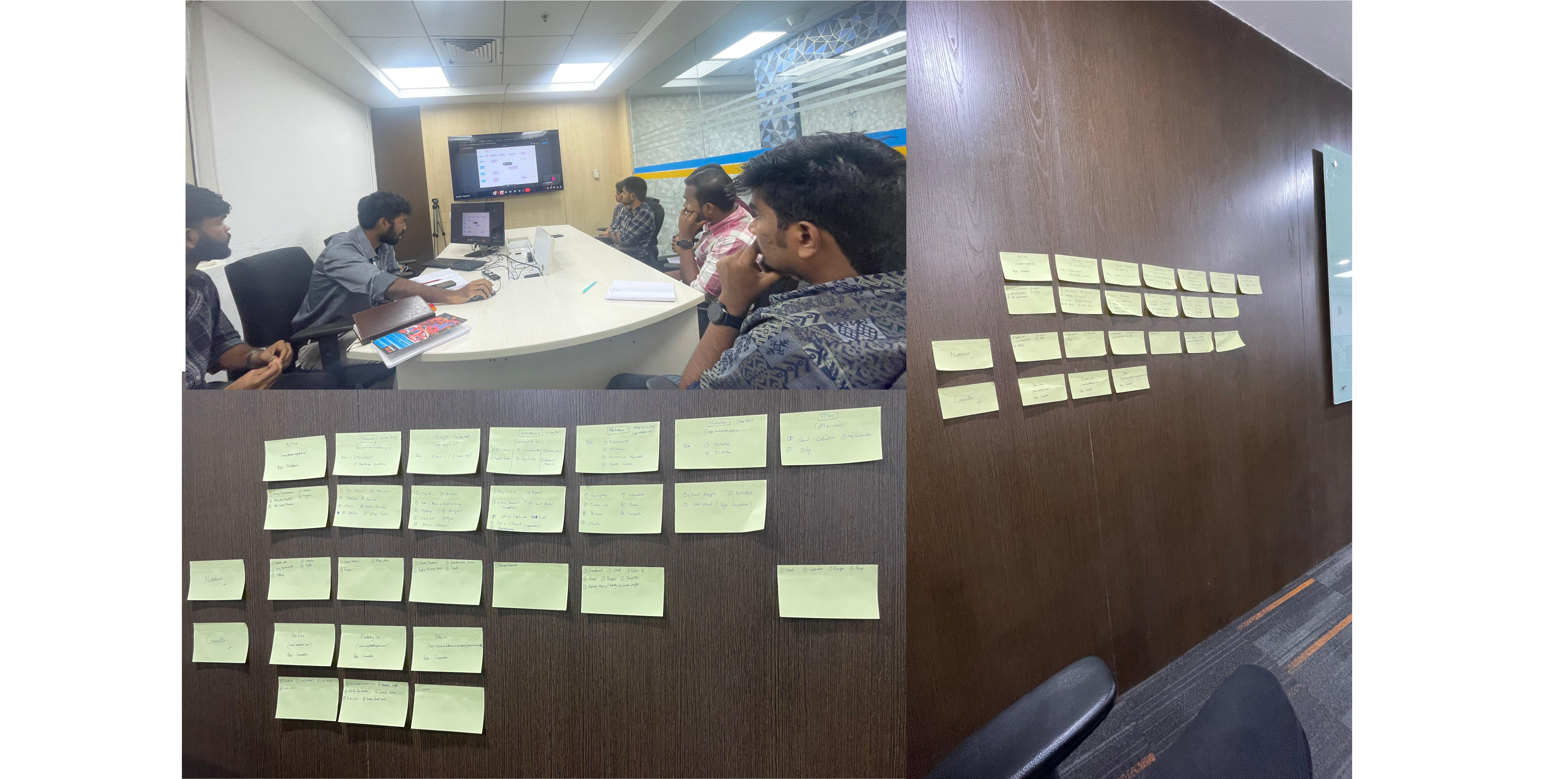
  • A weekly call with physicians acts as the core feedback loop.
  • During each call, we:
  • Present updated screens or workflow diagrams.
  • Walk through specific user journeys (e.g., creating a prescription, managing lab results).
  • Capture pain points, suggestions, and usability challenges from actual users.

  • Prototype Testing Before Development
  • Low- and high-fidelity prototypes (Figma, Adobe XD) are shared with stakeholders for click-through testing.
  • Doctors are asked to perform simulated tasks (e.g., review patient history, submit a claim) to validate usability before code is written.
  • Feedback is compiled and prioritized based on frequency and clinical impact.

  • Rapid Iteration Based on Real-World Use
  • Design changes are made within 1–2 days after feedback.
  • Updated designs are shared in the next weekly call, allowing us to maintain tight feedback loops and build trust with stakeholders.
  • Any significant changes (e.g., modifying navigation structure, chart layout) are A/B tested or mock-reviewed across multiple physicians.

  • Referencing Industry-Leading EMRs
  • We continuously benchmark against platforms like: (Epic, All scripts, Practice Fusion, Dr Chrono) to ensure best-in-class usability and consistency.
  • This helps avoid common UX pitfalls and ensures the system is familiar to physicians who’ve used other EMRs.
  • The result is a hybrid approach: combining user-driven customization with the predictability and standards of top-tier EMRs.


  • Design Validation Criteria
  • Clarity: Is the screen intuitive without explanation?
  • Efficiency: Can tasks be completed with minimal clicks?
  • Error Prevention: Are risky actions (e.g., deleting patient data) clearly warned?
  • Consistency: Does it follow a predictable interaction model?
  • Collaborative Requirement Gathering

  • Stakeholder Engagement: Weekly calls are conducted with practicing doctors and client teams to gather direct, actionable feedback.
  • Agile Feedback Loops: Changes in design, functionality, or workflow are rapidly evaluated and refined based on medical professionals’ input.
  • Real Use Case Focus: Requirements are driven by real-world usage scenarios, reducing assumptions and improving system relevance.

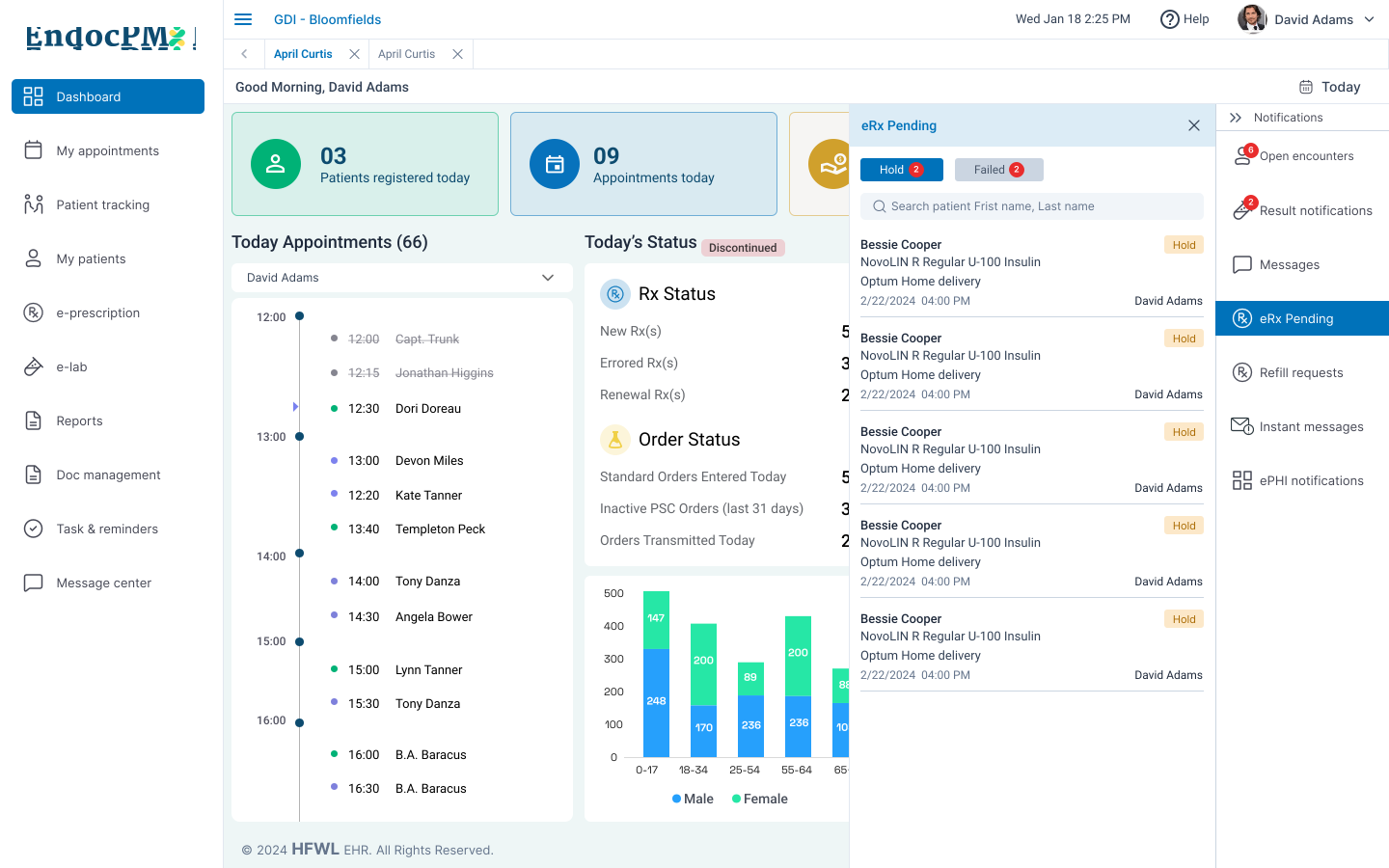
  • Clinical dashboard

    We aimed to design a comprehensive, holistic dashboard that enables providers to view all critical patient and practice information on a single page. This unified view is clinically valuable as it helps providers make faster, more informed decisions — ultimately reducing consultation time and improving the overall efficiency of care delivery.

    Patient App Overview

    One of the biggest challenges in this project was the complexity and ambiguity of the requirements. The needs of both the clinical and business stakeholders were not always clearly defined, requiring a trial-and-error approach during the design phase. I explored 3 to 4 design variations to strike the right balance between usability and clinical relevance. Each iteration underwent feedback and approval cycles with clients and medical professionals, ensuring the final design aligned with real-world clinical workflows and expectations.
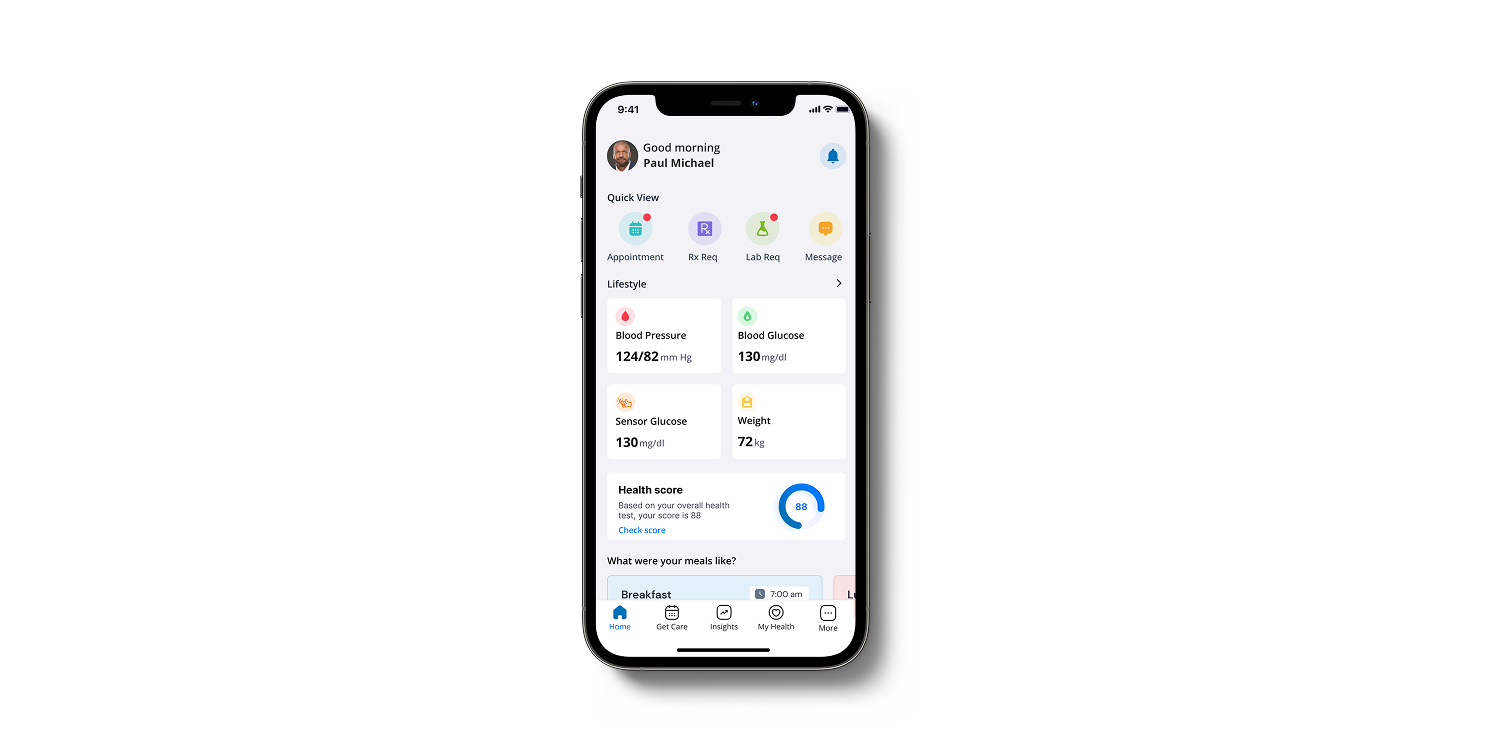
  • Real-time Vital Monitoring: Uses an API-connected continuous glucose monitor for live glucose tracking (like Dexcom, Libre). Collects heart rate, steps, sleep, etc. via Apple Health on iOS and Google Fit/Health Connect on Android.
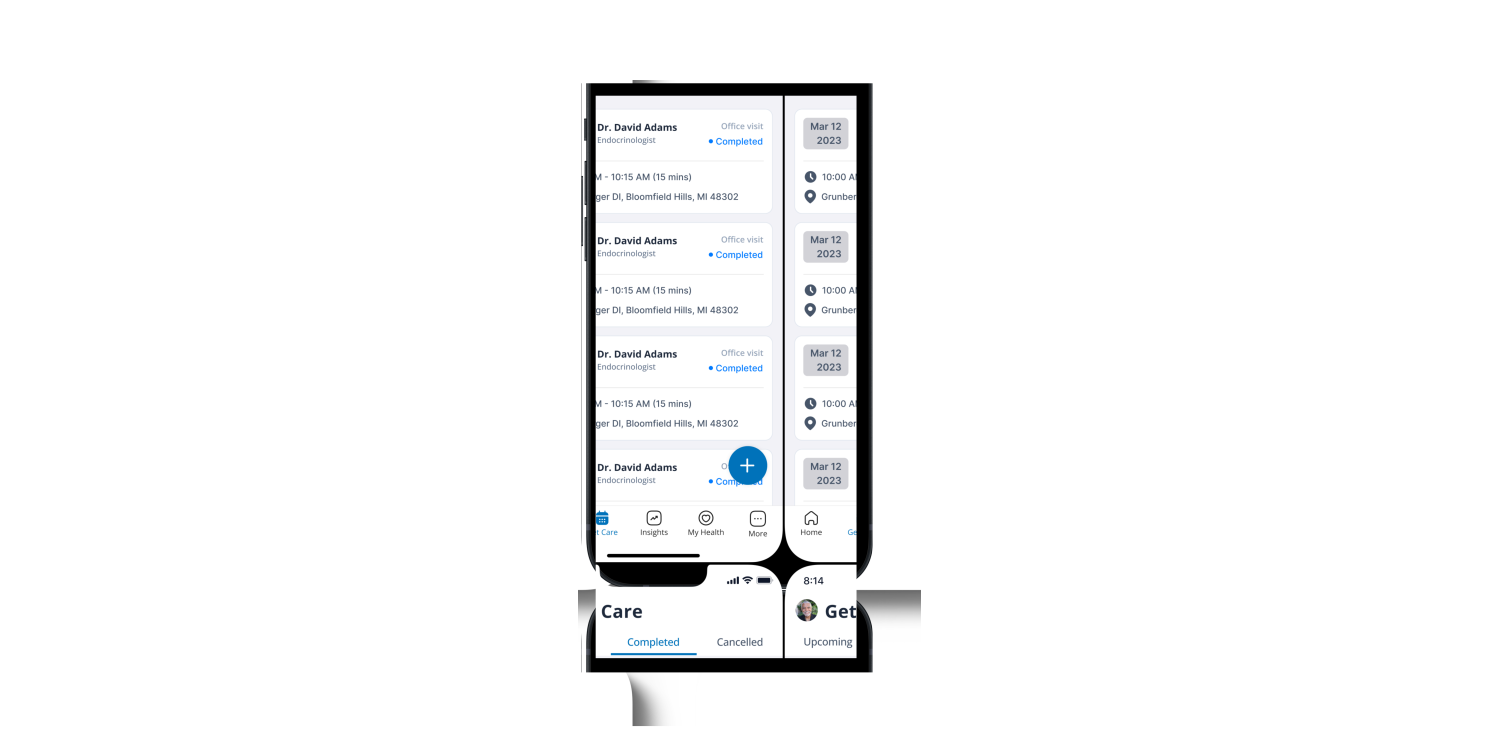
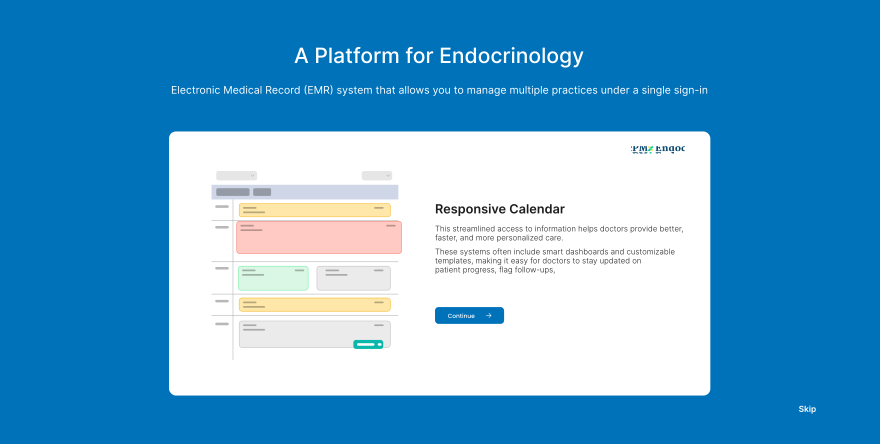
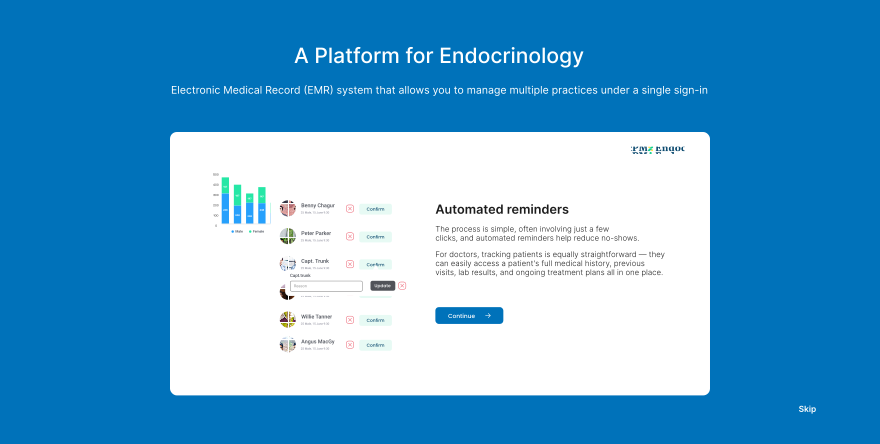
  • Telehealth & Appointment Capabilities: Patients can book appointments through the app. Offers teleconsultation—audio/video with doctors, enabling remote care.
  • Personalized Nutrition Coaching: Nutrition recommendations are generated based on daily food logging/meal habits. Suggests custom meal plans, macro/micro nutrient tracking, and food–glucose correlation.

  • The challenge

    One of the biggest challenges in this project was the complexity and ambiguity of the requirements. The needs of both the clinical and business stakeholders were not always clearly defined, requiring a trial-and-error approach during the design phase. I explored 3 to 4 design variations to strike the right balance between usability and clinical relevance. Each iteration underwent feedback and approval cycles with clients and medical professionals, ensuring the final design aligned with real-world clinical workflows and expectations.
  • Clarity: The initial project brief lacked specificity and required deep discussions with stakeholders to uncover real needs.
  • Iterative approval cycles: Every design needed validation from clients, doctors, and healthcare administrators, making feedback cycles extensive.
  • Multiple design explorations: I created and everytime I go with A/B testing variations before arriving at the final, approved version.